
Customer Service +65 8044 8419




-
 Dancewear
-
 Costumes & Performance
-
 24/7 Studio Rental
-
 Dance Equipments
-
 Build Your Dance Studio
-
 Our Expertise
![]()
-
 Commercial Dance Studios
-
 Home Dance Studios
-
 Studio Design & Planning
-
 Build & Installation
-
 Sprung Floor Systems
-
 Polyethylene Film
-
 Marley Dance Flooring
-
 Dance Mirrors Installation
-
 Ballet Barre Installation
-
 Lighting Installation
-
 Sound System Installation
-
 Aircon Installation
-
 Full Renovation Works
-
 Rehabilitation & Wellness Barre Installations
-
 Welding of Dance Mats
-
 Dance Floor Seams & Subfloor Preparation
![]()
-
-
 Terms & Conditions
![]()
-


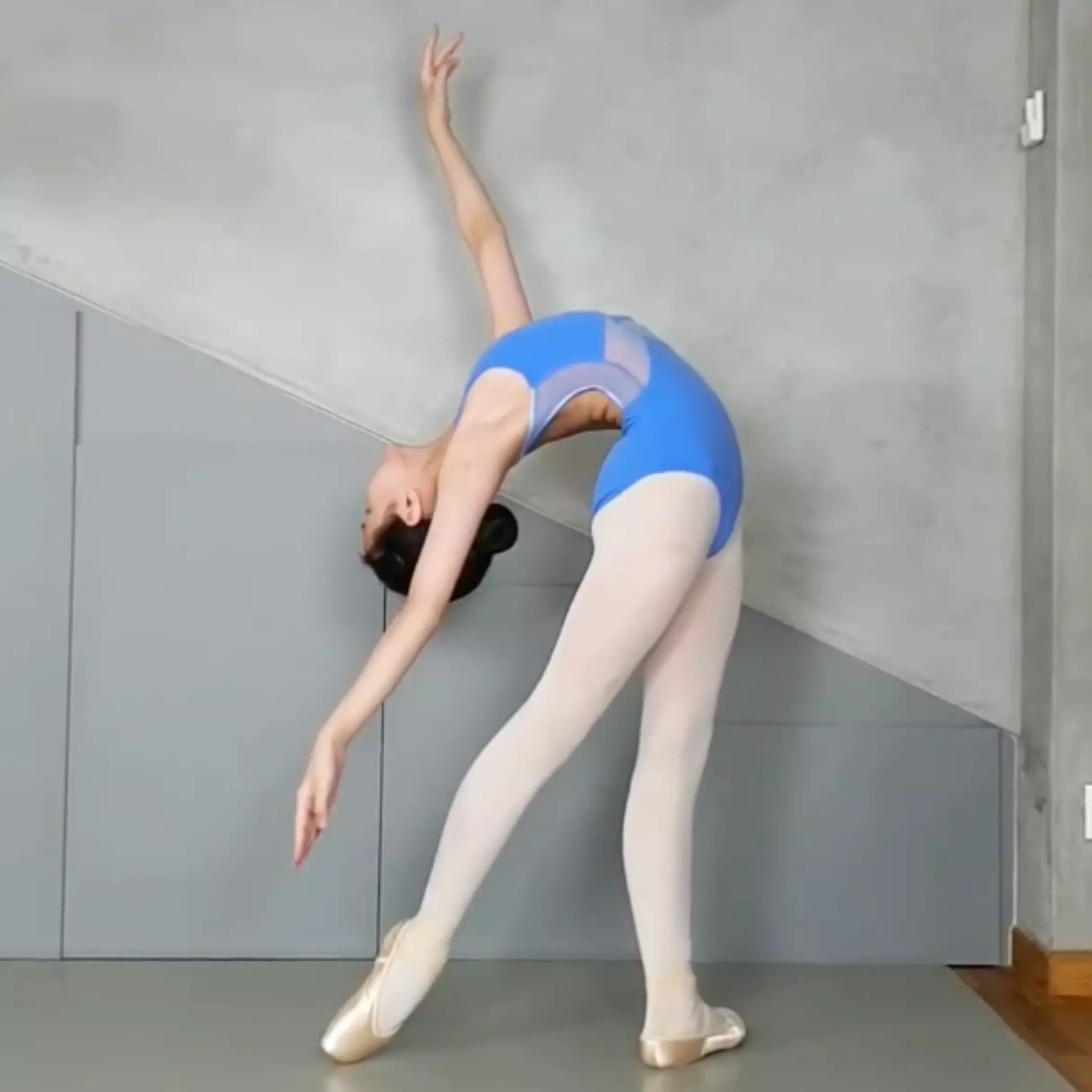













Aircon Installation
FREE MOVEMENT Dance SOLUTIONS
Train Harder When the Temperature Is Right.
The temperature in your studio shapes how long dancers can train, how well they recover, and how much they enjoy being there. We design and install air conditioning systems for home dance studios and commercial academies across Singapore, built around the real demands of daily dance training.

Dance Training Has a Temperature Sweet Spot
Unlike an office or a living room, a dance studio generates significant body heat from the moment class begins. The right air conditioning system keeps the space inside the window where dancers perform at their best, energised, comfortable, and able to train for longer.
28°C+ Too Warm Fatigue sets in faster, heart rate climbs higher than the training demands, and recovery between exercises takes longer. Sustained training in this range is harder on the body than it needs to be.
20-24°C ✦ Ideal Range The range where dancers can sustain high-output training, self-correct in the mirror without distraction, and leave a class feeling energized rather than drained. This is the target every studio installation is designed around.
Below 18°C Too Cool Cold muscles take longer to warm up fully, increasing injury risk during early class movements. A studio that runs too cool before dancers have warmed through creates an environment that works against them.
Singapore's ambient conditions make air conditioning a functional necessity for any dance studio, not a comfort feature. Without adequate cooling, a studio filling with active dancers will exceed 28°C within the first fifteen minutes of a class. The training environment degrades, and it degrades quickly.
The difference between a studio with the right cooling system and one without is noticeable from the very first class. With the right cooling system in place, dancers can train longer, push harder, recover faster, and leave looking forward to coming back. Good air conditioning is one of the highest-return investments a studio can make in the experience it delivers.
Built for the Way You Actually Use Your Studio
A home dance studio and a full commercial academy have fundamentally different cooling demands. We design every system from scratch around the specific space it is going into, not from a catalogue, not from a standard package.

H 🏠 Home Dance Studio
A personal training space that stays cool from the very first warm-up.
Home studios in Housing & Development Board (HDB) flats, condominiums, and landed homes all present their own set of considerations, room orientation, existing power supply, and the proximity to living spaces all shape the right system choice. We work through all of it with you before anything is specified or installed.
Single split unit Low noise operation HDB & condo compliant Inverter-grade efficiency Smart control optional

C 🏢 Commercial Dance Studio
Cooling that keeps pace with a full studio of dancers, all day, every day.
A commercial studio generates far more heat per square meter than almost any other commercial environment, multiple bodies moving at high intensity, under studio lighting, in a space often sealed for acoustic reasons. The cooling system needs to handle this comfortably and consistently across back-to-back classes from opening to close.
Multi-split or centralized Peak occupancy rated Per-room zone control Back-to-back class rated BMS integration available
How Much Cooling Does Your Studio Actually Need?
BTU (British Thermal Units) measures how much heat an air conditioning system can remove per hour. For a dance studio, the calculation goes beyond room size, occupancy, activity intensity, lighting heat load, and ceiling height all contribute. This guide gives a starting point; we refine it during the site assessment.
Small Home StudioUp to 20m² · 1–2 dancers
9,000–12,000 BTU1 split unit
Medium Home Studio20–40m² · 1–4 dancers
12,000–18,000 BTU1–2 split units
Small Commercial Studio40–70m² · up to 15 dancers
18,000–24,000 BTU2 split units
Medium Commercial Studio70–120m² · up to 30 dancers
24,000–36,000 BTUMulti-split or cassette
Large Commercial Studio120m²+ · 30+ dancers
36,000+ BTUCentralized or VRF system
* BTU estimates assume standard ceiling height (2.8–3.5m), LED lighting, and moderate activity intensity. Studios with high ceilings, intense disciplines, or significant lighting heat loads may require additional capacity. All figures are confirmed during our site assessment.
Where the Air Goes Matters as Much as How Much There Is
A correctly sized system installed in the wrong position can still leave dancers uncomfortable. Airflow direction, diffuser placement, and the relationship between the indoor unit and the studio layout all determine whether the system performs as well in practice as it does on paper.

Never Direct Air onto the Dance Floor
Airflow blowing directly across an active dance floor creates uneven cooling and discomfort for dancers in the airstream.
Keep Air Away from Mirror Surfaces
Warm moist air from dancing bodies meeting a cold airstream near mirror walls causes condensation and fogging.
Plan for Even Distribution
A single unit in a large studio creates a thermal gradient, cold near the unit, warm at the far wall.
Manage Noise at the Source
Indoor unit noise is a real consideration in a dance studio where music and teacher instruction need to carry clearly.
Integrate with the Ceiling Plan
Where lighting and aircon are being installed together, we co-ordinate unit and diffuser positions with the lighting layout, so the ceiling reads as a single considered design, not two separate installations fighting for the same space.
What the Research Tells Us About Temperature and Performance
The relationship between ambient temperature and physical performance is well established. Here is what it means in practice for a dance studio environment.
1°C too warm reduces endurance by up to 2%.
In a dance class running for 60 minutes, a studio operating at 26°C instead of 24°C is asking dancers to work measurably harder for the same output. Over a week of daily classes, that accumulates into real fatigue. Temperature is a performance variable, not a comfort preference.
Humidity matters as much as temperature.
Singapore's ambient humidity means a studio without adequate dehumidification can feel oppressive even at a technically acceptable temperature. The best studio aircon systems manage both temperature and relative humidity simultaneously, keeping the space feeling fresh and energizing throughout the longest class on the hottest day.
Students stay longer in comfortable studios.
It is simple but significant, dancers who are comfortable train for longer, push further into a session, and are far more likely to return. A well-cooled studio is a retention tool as much as it is an environmental one. For commercial studios, the return on a properly installed aircon system shows up directly in class attendance and member loyalty.
A Simple Maintenance Rhythm That Protects Your Investment
A dance studio aircon system works significantly harder than a domestic unit. More hours, more bodies, more humidity. A consistent maintenance routine keeps it performing at its best and extends its service life substantially.
Monthly High Priority
Clean or replace air filters, dance studios generate more airborne particles than typical environments
Wipe down indoor unit casing and air intake grille
Check condensate drain tray for standing water or blockage
Verify set temperature is holding across the full studio floor
Quarterly High Priority
Professional servicing, coil cleaning, condensate flush, refrigerant pressure check
Inspect and clean outdoor condenser unit, clear of debris and adequate airflow
Test all zone controls and remote functions
Check and tighten electrical connections at indoor unit
Bi-Annually Recommended
Deep coil chemical wash, removes biofilm buildup that reduces cooling efficiency over time
Full refrigerant system inspection and top-up if required
Recalibrate thermostat and zone control accuracy
Inspect all pipe insulation and bracket fittings
Annually Recommended
Full system performance audit, compare current cooling output to installation specification
Review capacity against any changes in studio use, occupancy, or layout
Inspect and test all safety cutouts and overload protection
Assess remaining service life and plan ahead for any upgrades
Ready to Cool Down Your Studio?
Tell us about your space, home or commercial, and we will design an air conditioning system that keeps your dancers training at their best, every class, every day.
💬 Talk to Us - It's Free No obligation · Site assessment included · We reply within 24 hours- Choosing a selection results in a full page refresh.