
Customer Service +65 8044 8419




-
 Dancewear
-
 Costumes & Performance
-
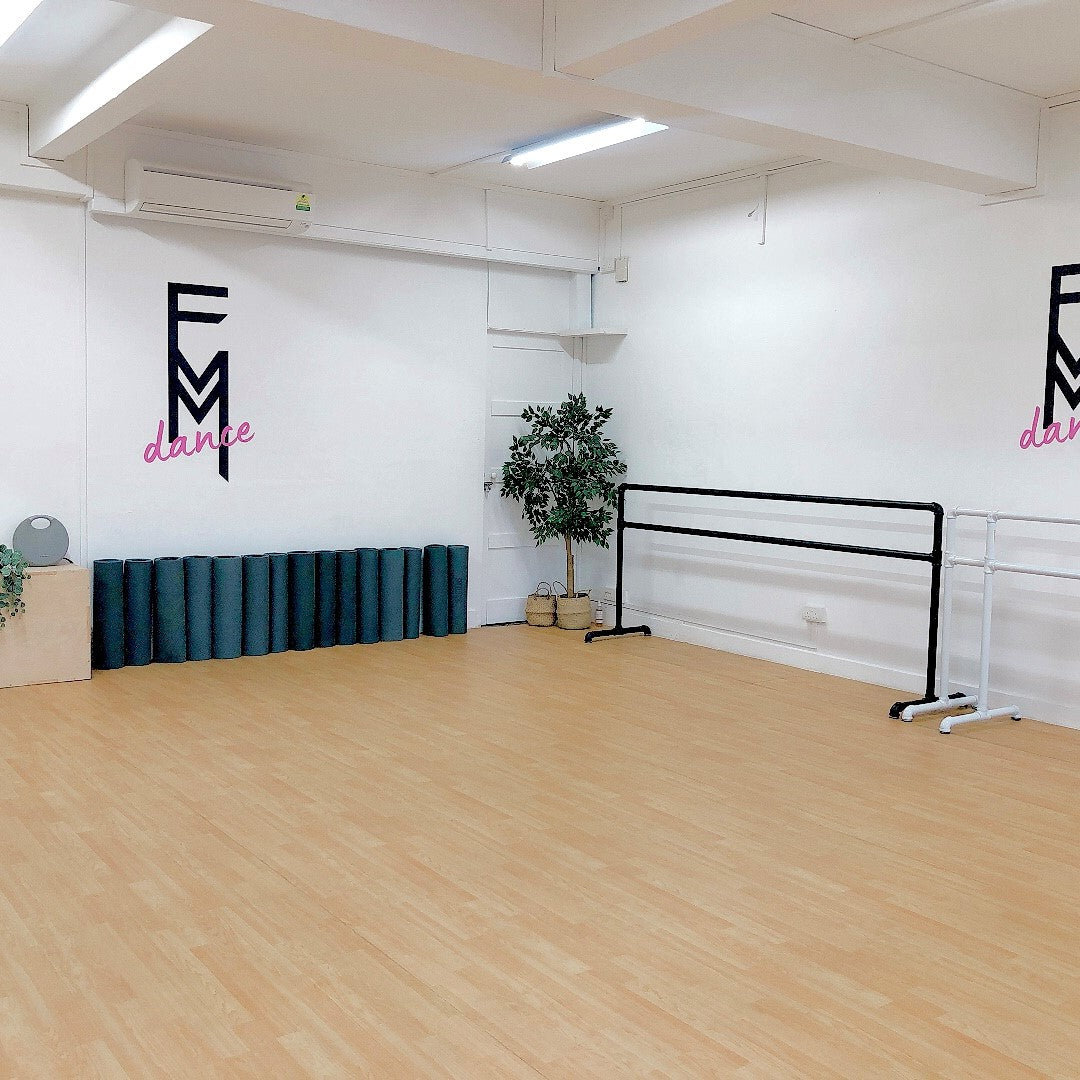 24/7 Studio Rental
-
 Dance Equipments
-
 Build Your Dance Studio
-
 Our Expertise
![]()
-
 Commercial Dance Studios
-
 Home Dance Studios
-
 Studio Design & Planning
-
 Build & Installation
-
 Sprung Floor Systems
-
 Polyethylene Film
-
 Marley Dance Flooring
-
 Dance Mirrors Installation
-
 Ballet Barre Installation
-
 Lighting Installation
-
 Sound System Installation
-
 Aircon Installation
-
 Full Renovation Works
-
 Rehabilitation & Wellness Barre Installations
-
 Welding of Dance Mats
-
 Dance Floor Seams & Subfloor Preparation
![]()
-
-
 Terms & Conditions
![]()
-


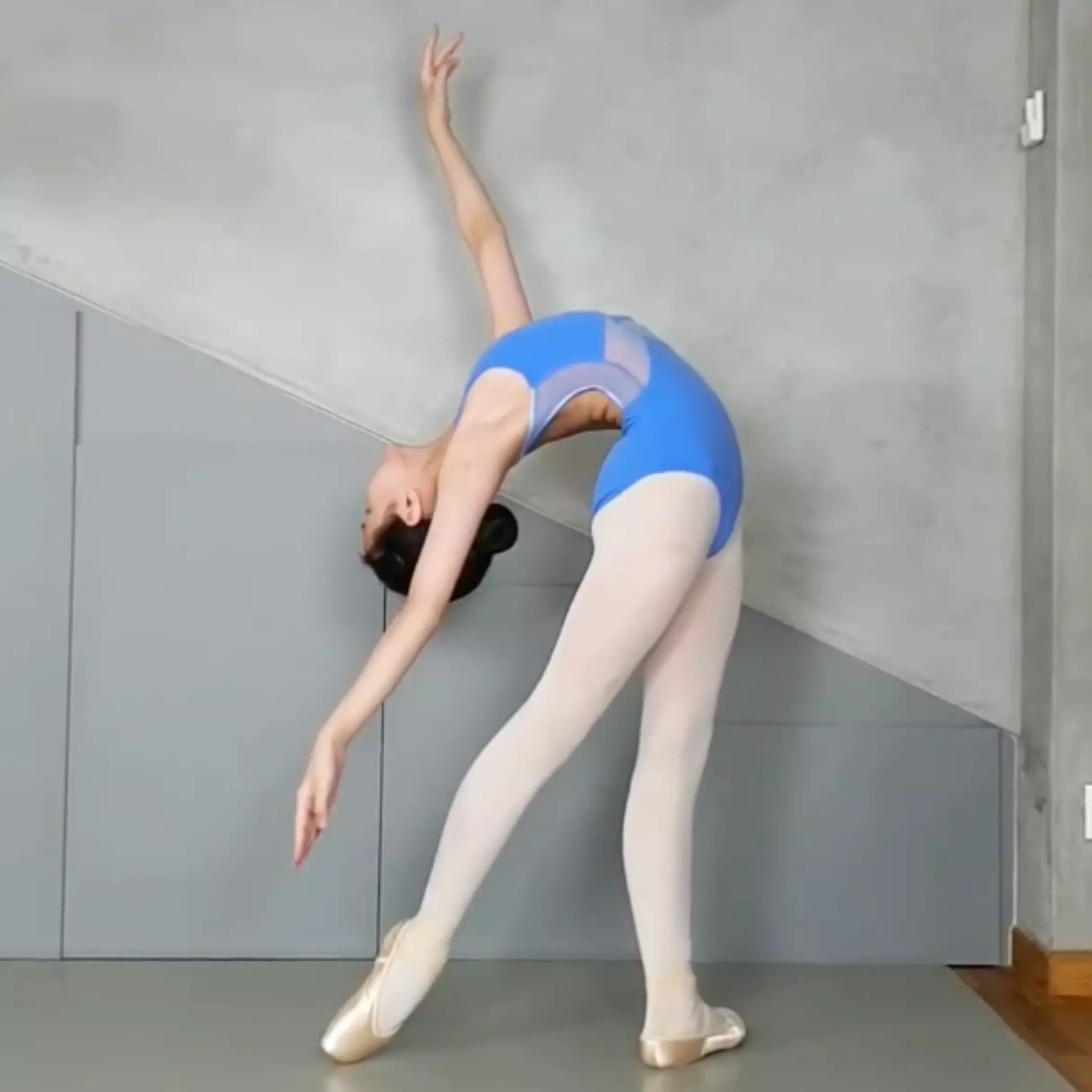













Studio Layout Planning
📐 Built Around Movement
Whether it’s a home studio or a commercial space, the foundation is the same: creating a space that supports movement and long-term use.
A well-planned layout turns your space into an investment one that adapts as your needs evolve over time.
Plan My Studio →
⚠️ Why Most Studio Layouts Fail
Most studios are built backwards. Equipment comes first, layout comes later. This leads to broken flow, wasted space, and setups that limit movement instead of supporting it.
A studio should be thoughtfully planned before anything is installed.
🎯 One Planning System: Two Applications
The difference between home and commercial studios is not the foundation, it’s how the space is extended.
Designed for pure movement. A home studio becomes a seamless, open space that supports your flow, and can easily adapt as your lifestyle or needs change.
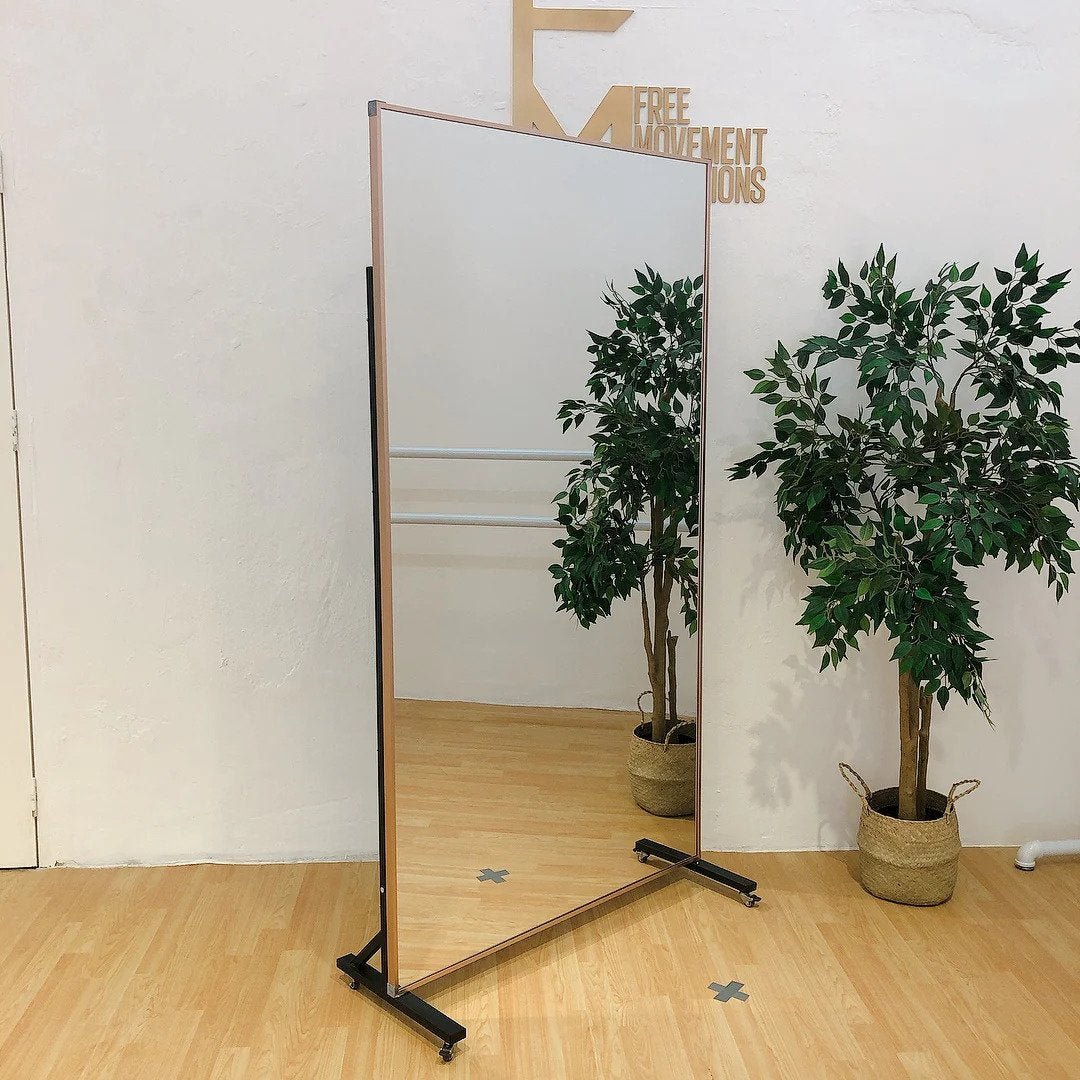
🪞 Mirror as Full Wall
The mirror becomes one entire wall for full-body visibility, without breaking the flow of movement.
📐 Maximum Space
The space is fully usable and open, allowing you to move freely without unnecessary restrictions or dead zones.
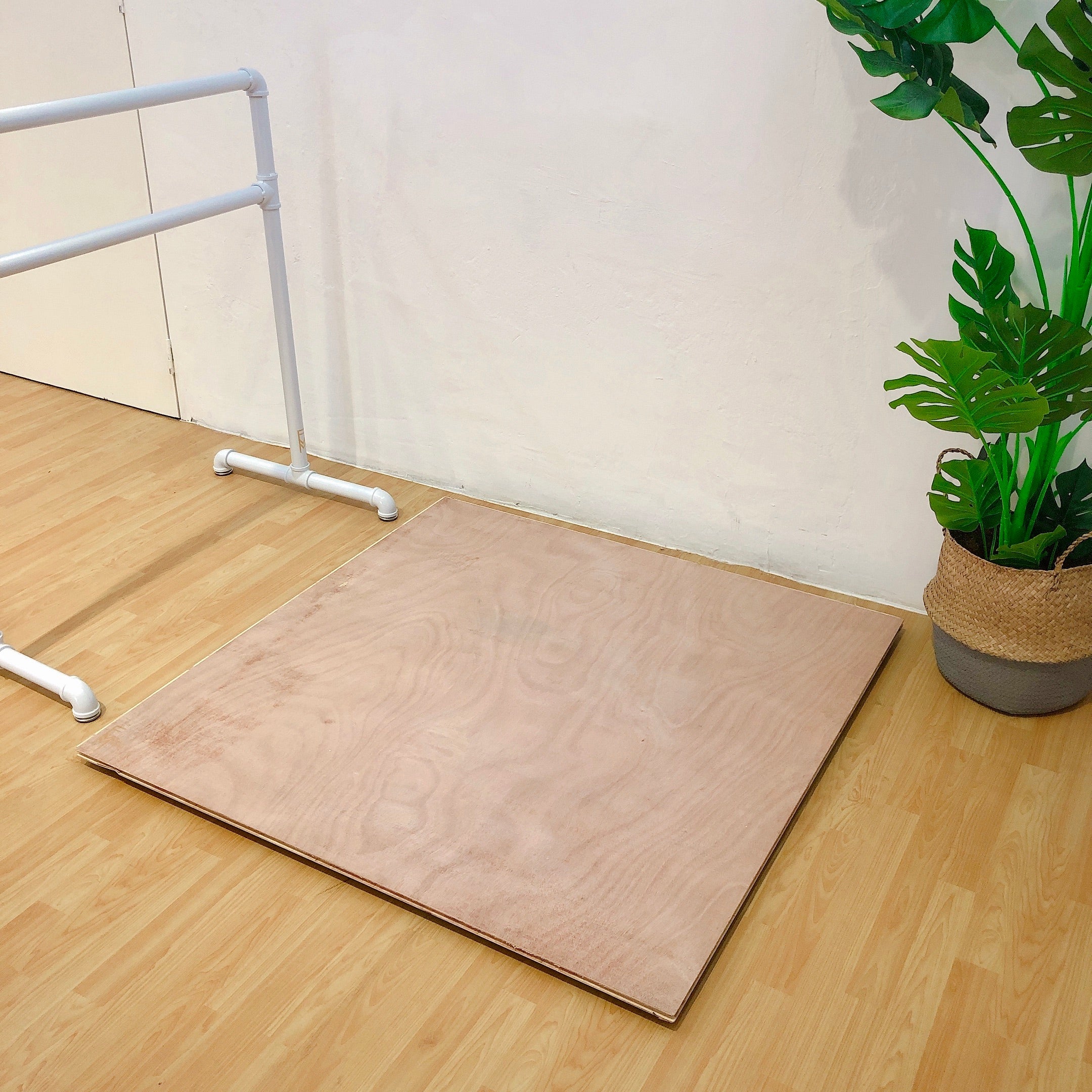
🪵 Continuous Flooring
One consistent surface across the entire training area. No breaks, no segmentation, no wasted zones.
🧭 Minimal Layout
Only essential elements are included, keeping the space clean, open, and flexible enough to transform for other uses when needed.
Designed for scale and shared use. The same movement-first foundation, extended to support multiple functions.
🛋️ Reception / Waiting Area
A separate space for clients, parents, or students waiting, kept outside the training area to avoid disruption.
📦 Multi-Studio Zoning
Larger spaces can be divided into separate studios, allowing multiple classes or activities at the same time.
🚪 Movement Flow Between Spaces
Paths between rooms are planned so people can move without interrupting ongoing training sessions.
🧩 Flexible Partitions
Movable walls or partitions allow one large studio to be split into two smaller studios when needed.
Every part of the space is designed to support multiple functions while keeping the dance floor clear and uninterrupted.
Even in commercial setups, this balance allows the studio to stay efficient, adaptable, and valuable over time.
🔄 From Unplanned → Structured Layout
Unplanned 
Planned 
Planning transforms a space into a high-performing studio, one that supports movement today and remains adaptable for future use.
🛠️ How We Plan Your Studio
01 — Analyze
Understand dimensions, entry points, and spatial constraints to identify usable areas and limitations.
02 — Map
Define movement flow, mirror direction, and orientation to support visibility, alignment, and natural movement patterns.
03 — Structure
Divide the space into functional zones based on real usage, ensuring continuous flooring and efficient layout.
04 — Execute
Build with clarity and purpose, placing every element based on the planned layout to maximize performance.
🚀 Plan Your Studio The Right Way
Start with the right structure, and turn your space into something that works for you long-term.
Get My Studio Plan →
- Choosing a selection results in a full page refresh.