
Customer Service +65 8044 8419


























Acoustics and Sound Control

Dance Studio Acoustics & Sound Control
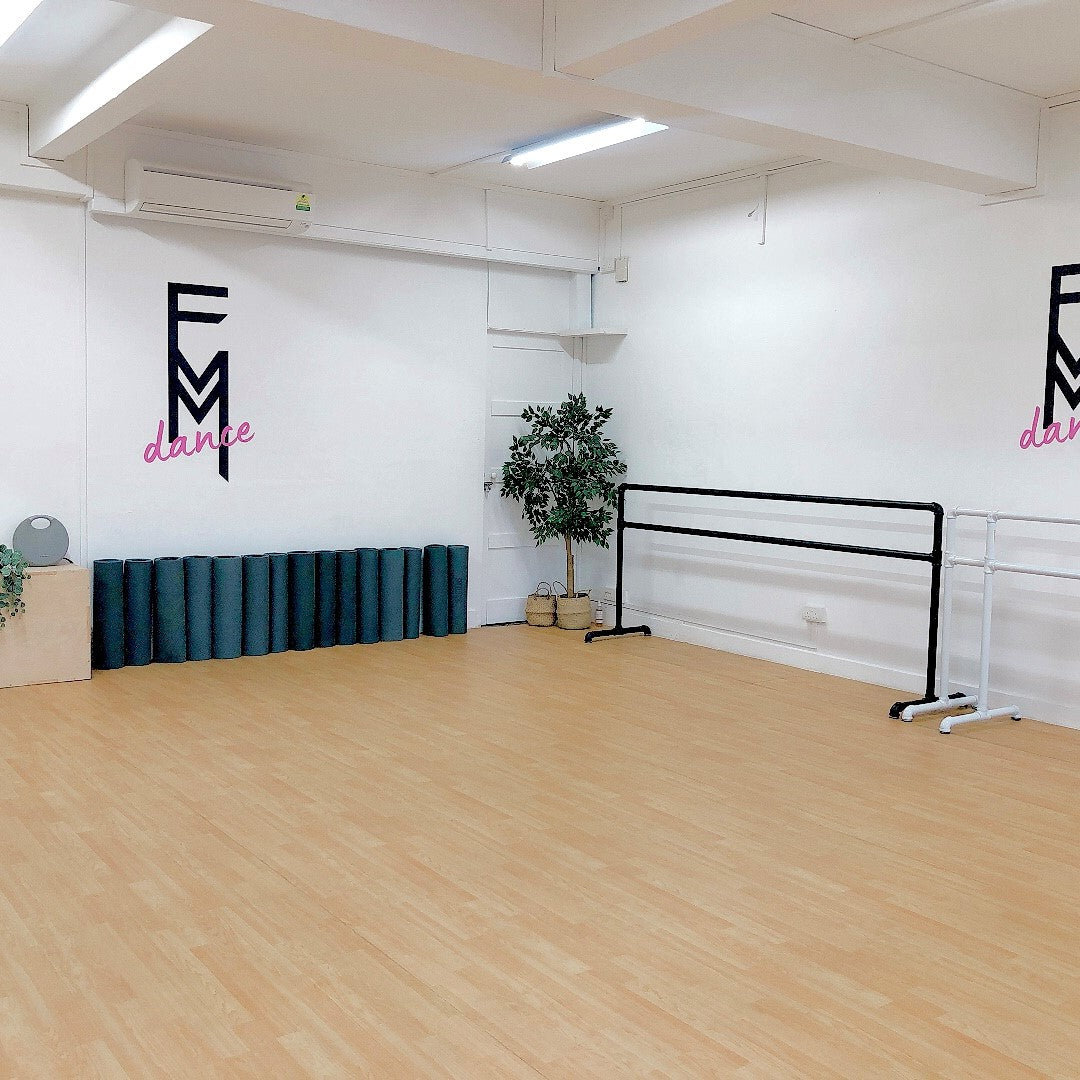
Sound is one of the most overlooked elements in commercial dance studios, yet it directly affects how every class runs. When acoustics are not properly managed, music loses clarity, instructions become harder to hear, and the overall training experience becomes less controlled.
⚠️ When Sound Is Not Controlled, Everything Feels Off
Uncontrolled sound creates more than just noise, it creates confusion. Echo and excessive reverberation cause music to overlap, making rhythm harder to follow. Instructors are forced to raise their voices, leading to fatigue and reduced teaching efficiency. Over time, this affects class quality, student focus, and even retention.
🎯 Why Acoustics Matter in Commercial Studios
Commercial dance studios operate in high-energy environments with continuous classes, music playback, and movement. Without proper acoustic treatment, sound builds up quickly, creating an overwhelming and unclear environment. Managing sound properly allows the space to feel controlled, professional, and easier to use throughout the day.
🏢 Built for High-Use Studio Environments
Unlike residential spaces, commercial studios require consistent acoustic performance across long hours of operation. This involves reducing echo and excessive sound reflections, improving music clarity across the entire space, and ensuring that instructors can communicate clearly without strain. It also requires managing how sound spreads in larger or open layouts while minimizing distractions, so the environment remains focused, controlled, and suitable for continuous training throughout the day.
🎶 Clearer Sound
Music remains consistent and balanced across the entire studio.
🧑🏫 Better Teaching
Instructors communicate clearly without straining.
✨ Professional Feel
The studio feels refined, controlled, and high-quality.
What We Focus On
Room Acoustics
We optimize how sound behaves within the studio to improve clarity and balance.
Sound Control
We manage reflections and reverberation to prevent overlapping noise.
Movement Noise
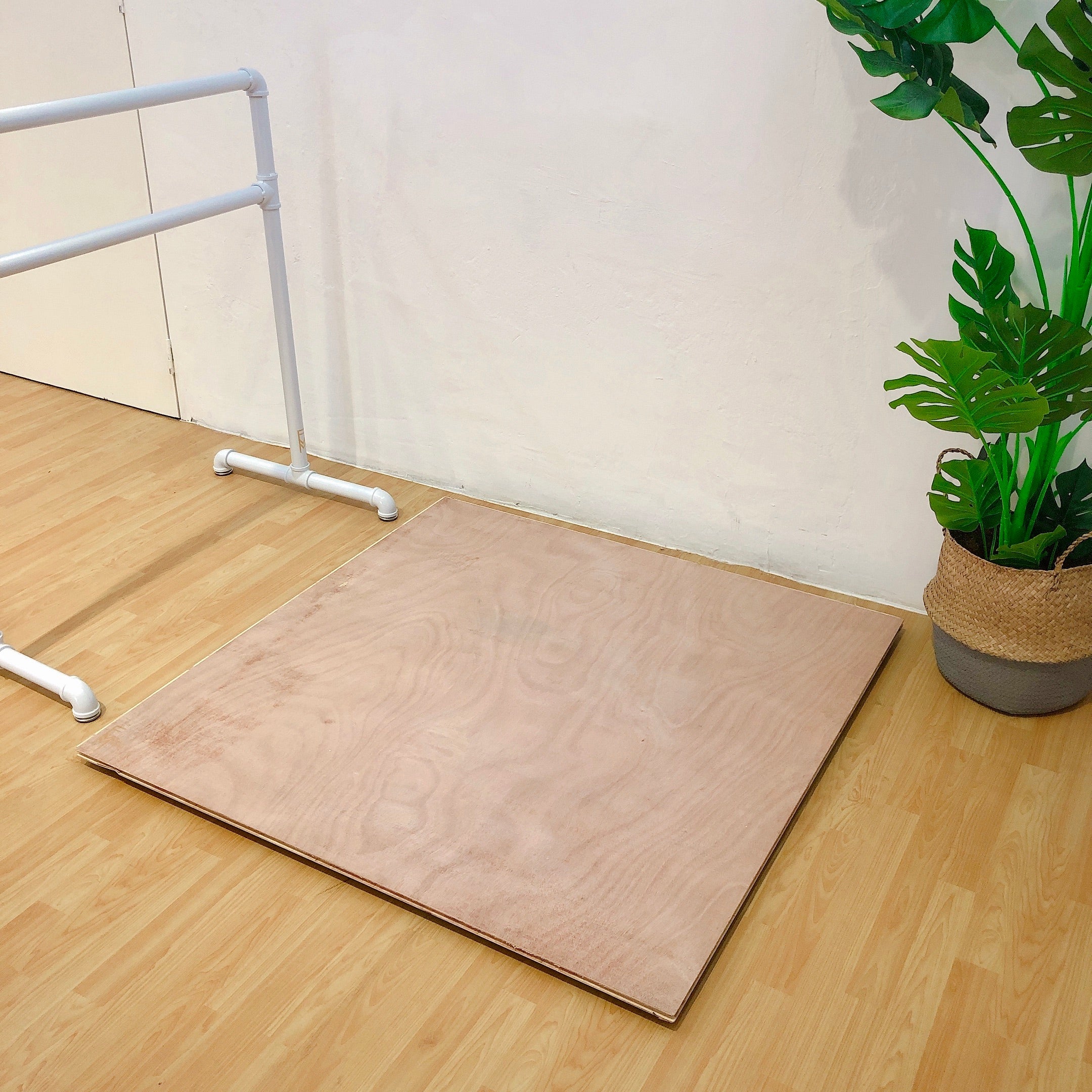
We reduce impact noise from footwork and movement activity.
Efficiency
We support smoother class flow and a more productive environment.
🔇 Preventing Sound from Affecting Surrounding Spaces
In commercial environments, sound does not only stay within the studio, it can travel through walls, ceilings, and floors into adjacent units. This is especially important for studios located in shared buildings, malls, or multi-unit spaces where neighboring businesses or residents may be affected.
Without proper sound control measures, music and impact noise can lead to complaints, disruptions, and limitations on how the studio operates. This can affect class schedules, volume levels, and even long-term business sustainability.
Our approach considers how sound travels beyond the studio, helping reduce transmission to surrounding spaces. By addressing this early in the design process, we help create a studio that not only performs well internally, but also operates smoothly within its external environment.

Integrated Acoustic Design
Effective acoustic treatment should be integrated into the studio design from the start. This ensures all elements walls, flooring, and layout, work together to create a controlled sound environment that supports both performance and daily use.
How We Approach It
1. Assess
We evaluate your studio layout and sound conditions.
2. Analyze
We identify sound issues and problem areas.
3. Plan
We design a tailored acoustic solution.
4. Improve
We create a more controlled and professional studio environment.
🚀 Build a Better Sound Environment for Your Studio
Create a space where music is clear, instructions are heard, and sound is properly managed both inside and beyond your studio.
Discuss Your Studio- Choosing a selection results in a full page refresh.