










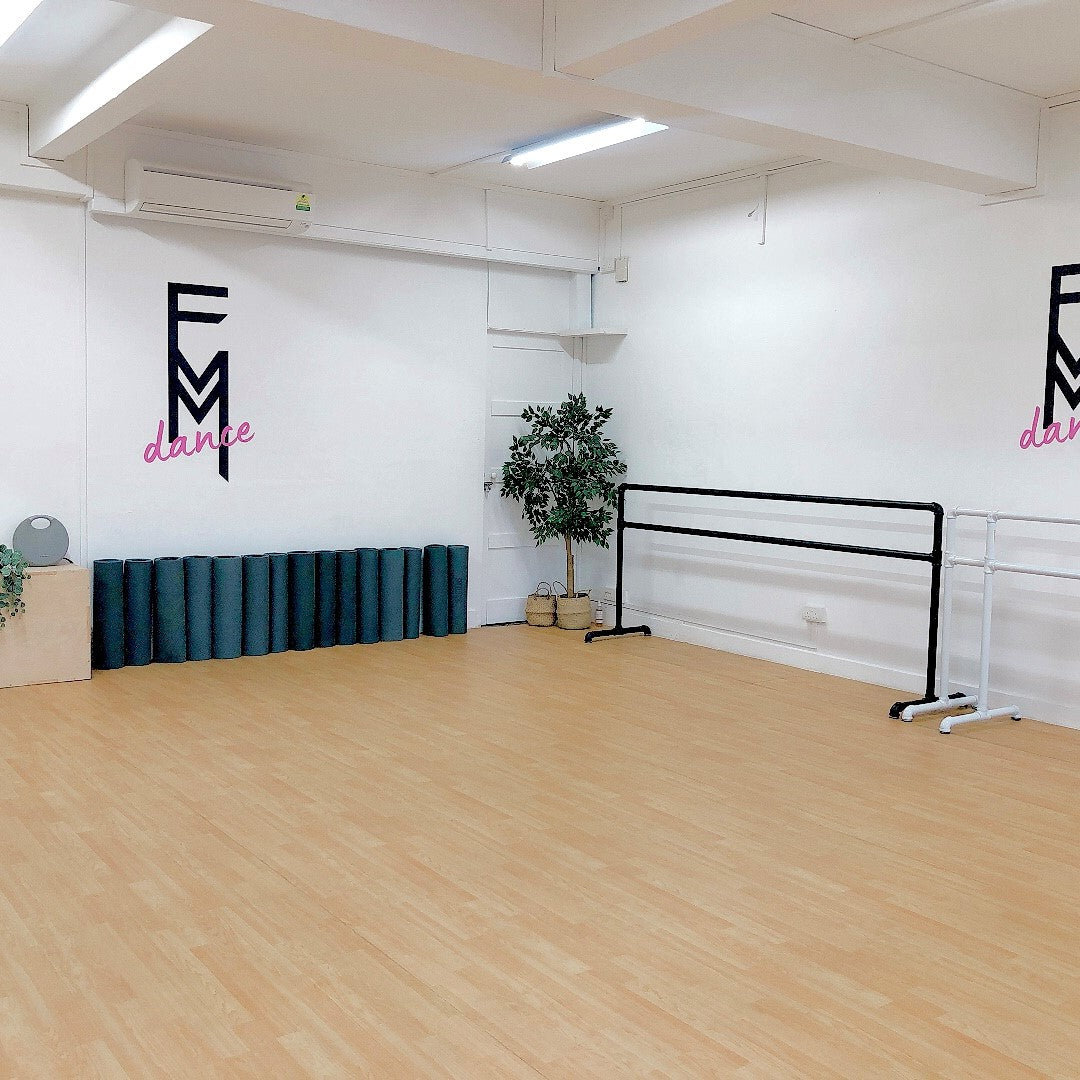















It begins with a conversation: tell us about your studio.
Every great installation starts with a genuine understanding of the space it is going into. Before anything is measured, ordered, or fitted, we take the time to understand your studio - who trains there, how often, and the kind of experience you want every dancer to have. A dedicated home practice space and a busy commercial academy both deserve the right barre system, and both deserve an approach tailored entirely to them.
This conversation is the most valuable part of the process. The age group, class size, training style, and frequency of use all shape the configuration we recommend - and getting it right from the outset means the finished installation serves your studio exactly as it should, from day one.
Why the barre is the quiet foundation of every great class
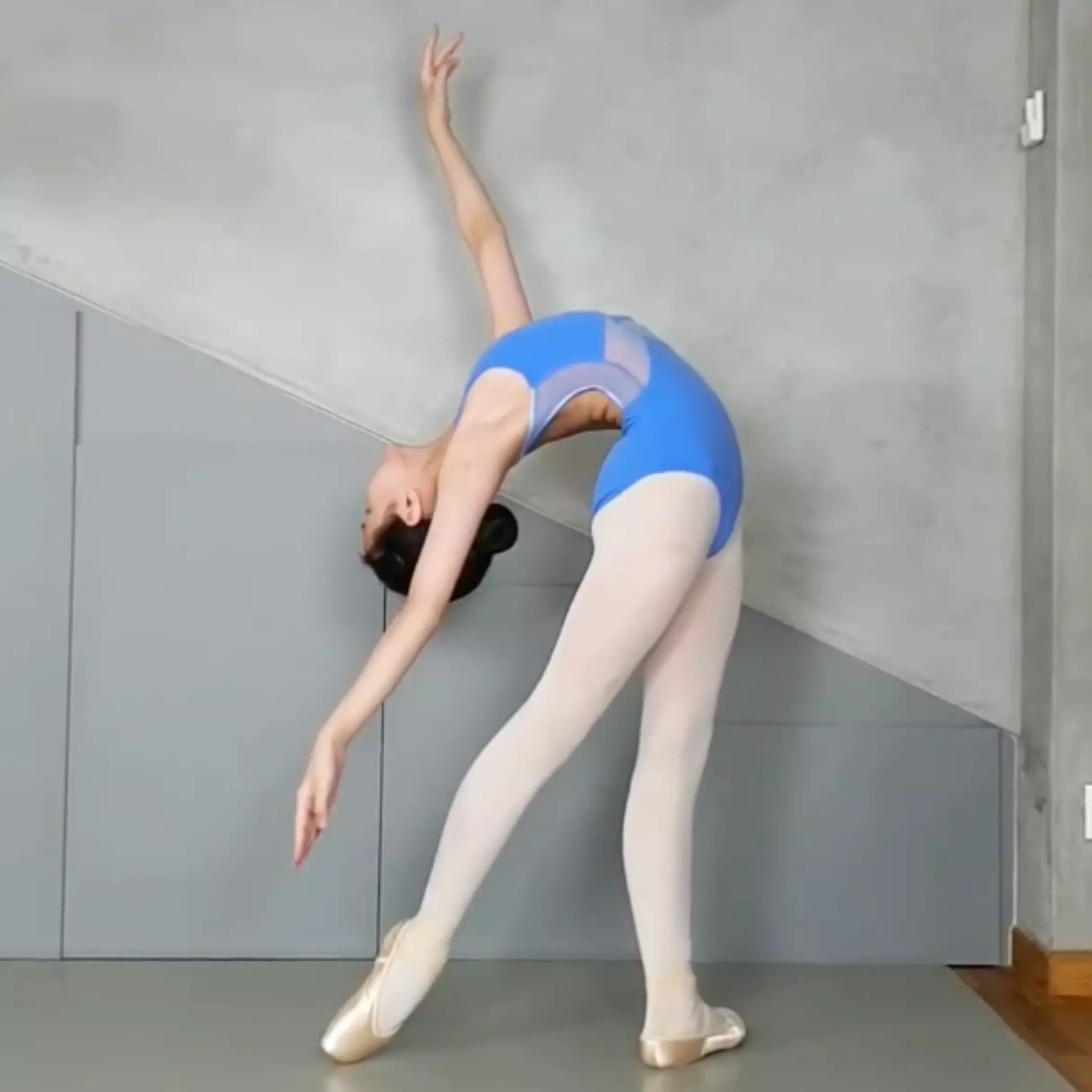
Long before a dancer reaches center work, the barre is where posture is built, turnout is developed, and the muscle memory for proper alignment takes hold. It is a beautifully simple piece of equipment carrying an important responsibility - every plié, tendu, and développé in the early part of class is supported by it. When it holds firm and sits at exactly the right height, dancers can commit fully to their training with complete confidence.
The right barre actively supports progress. It gives dancers the physical reference they need to build genuine alignment and strength, session after session. That is why we treat every installation with the same care and precision as any other piece of professional studio equipment - because that is exactly what it is.
A barre that holds firm under full body weight gives dancers the confidence to commit fully to each movement - rather than holding back out of uncertainty about the equipment beneath their hand.
Three paths, each suited to a different studio story
Most studios land on one of three approaches. Wall-mounted barres are the benchmark for professional schools and academies - anchored directly into a structural wall, they free up floor space entirely and stay completely stationary through the most demanding class. This is the path most commercial studios take.
Floor-mounted barres tell a different story - one for studios without a suitable wall to fix to, or open-plan spaces where a center-floor barre configuration makes more sense. They offer the same permanence as a wall-mounted system, just rooted differently.
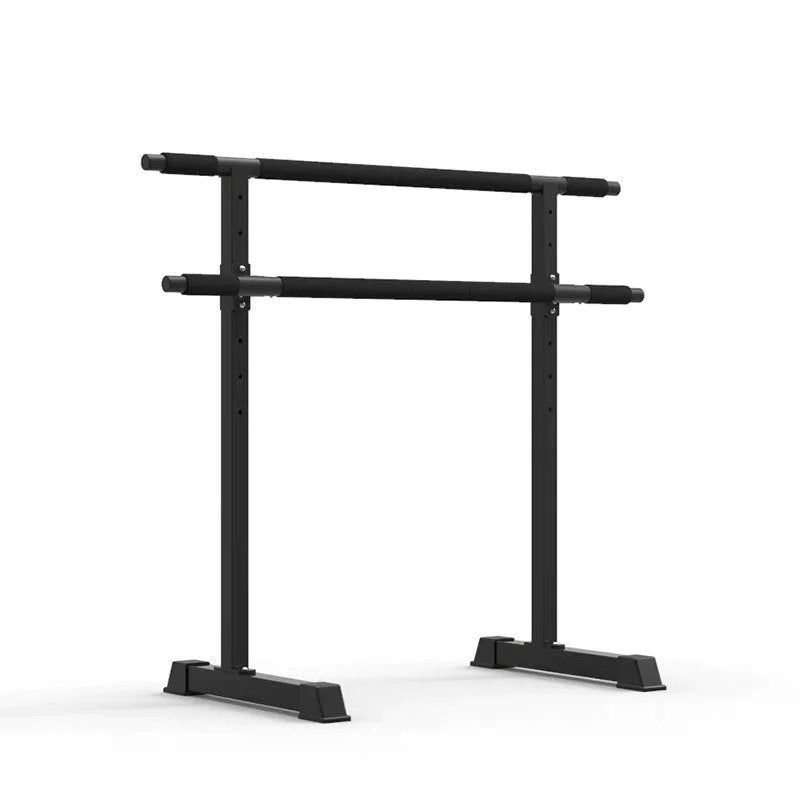
And then there is the portable barre - the path for home studios, multi-purpose rooms, and spaces that need to transform between sessions. No fixings, no structural work, simply set up and folded away as the room demands.

The right barre is the one that serves your dancers beautifully, every single class, for years to come.
Two materials, two different feelings
Once the mounting type is settled, the next decision is material. Full metal barres - crafted from premium stainless steel or powder-coated finishes - bring a sleek, contemporary character to a studio. The cool, smooth surface offers consistent grip and shrugs off the wear of daily, high-frequency use without ever needing attention.
Wood barres reinforced with metal supports tell an older story - the warm, classical feel favored in traditional ballet training, paired with modern engineering beneath the surface for genuine long-term stability. Neither material is the "better" choice. They simply belong to different studio identities.

One number that changes everything about how a barre feels
Barre height is not a detail - it is the single specification that determines whether the equipment actually works for the dancers using it. Set too high, dancers compensate with poor posture. Set too low, and the barre fails to support proper alignment at all. We calibrate height to the dancer group your studio primarily serves.
These figures are a starting point, not a fixed rule. We confirm exact height during our site consultation, accounting for the real dancers in your studio rather than a generic average.
Before a single bracket goes up, we read the room
Every installation begins with an honest look at the space. We assess whether the wall is masonry, timber stud, or plasterboard - each requiring a different anchoring approach to guarantee long-term stability. We map the full run of barre along the wall, accounting for doorways, windows, and sockets, so the usable training length is never compromised.
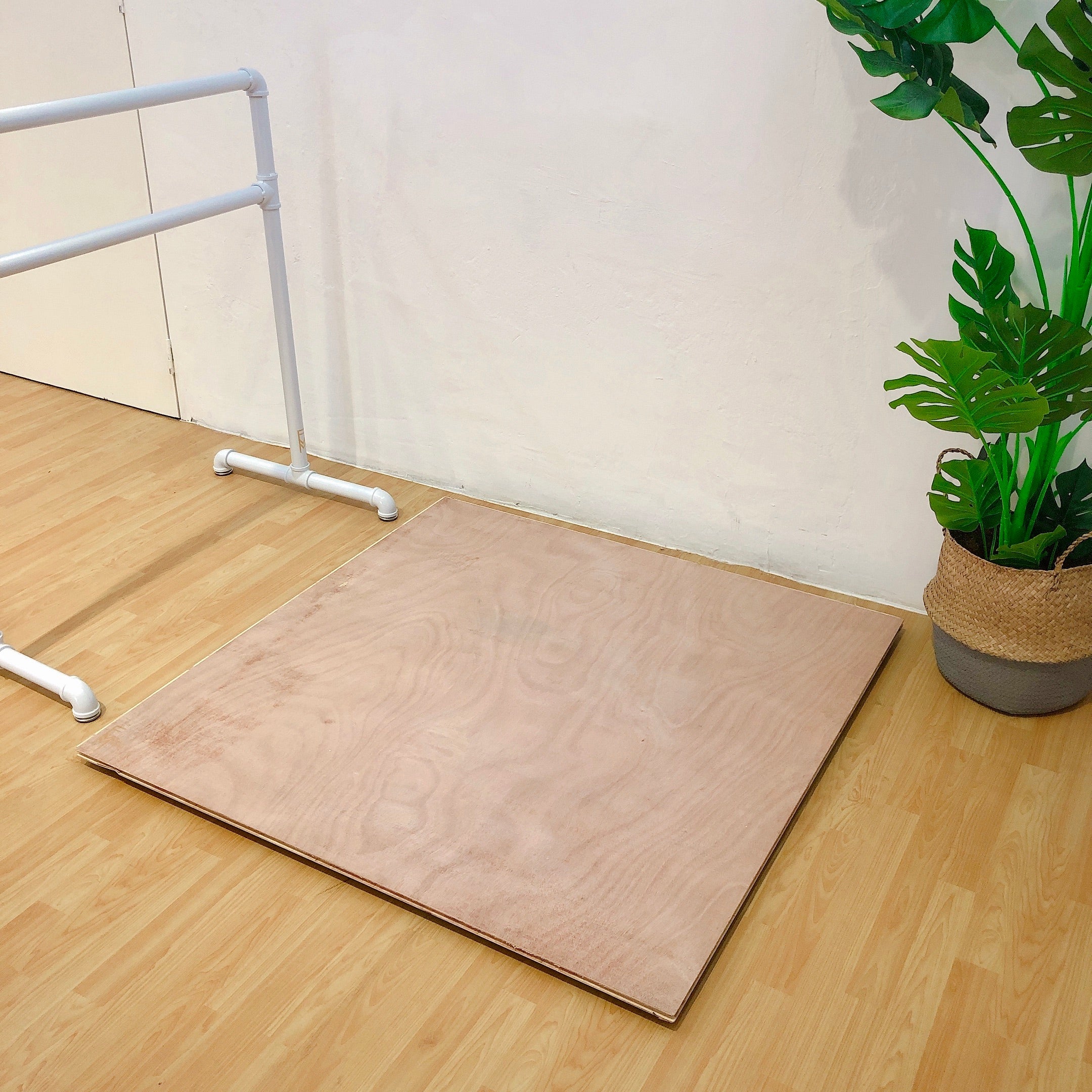
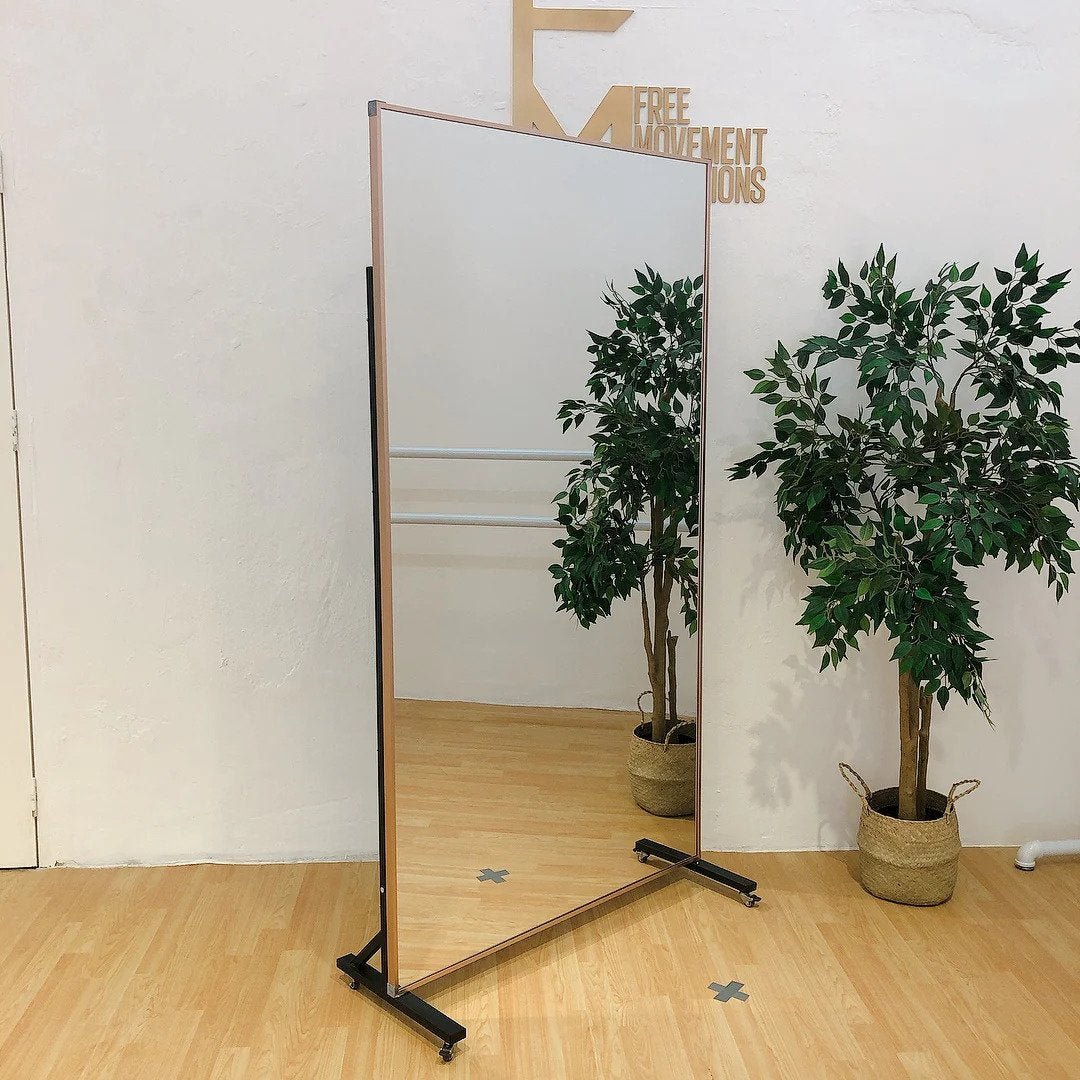
If mirrors are being installed on the same wall, we plan both systems together from the outset - so fixings never conflict and the finished wall reads as one considered design, not two separate jobs. For floor-mounted systems, we check the substrate beneath your studio floor to confirm anchoring will hold without affecting the performance of a sprung or Marley surface underneath.
If any surface preparation or additional structural work is needed, we tell you before we begin - never after. You always know exactly what to expect before any work starts.
Then, one day, a hand rests on the barre for the very first time.
This is the moment everything before it was building toward. The wall assessment, the height calibration, the material choice, the careful planning - all of it comes together in one quiet, purposeful moment: a dancer placing their hand on a barre that holds completely still, at exactly the right height, ready to support the first plié of the day.
It is a rewarding thing to witness. And it is what drives every decision we make throughout the process - because a barre that is built right becomes something a dancer never has to think about. It simply works, every class, every day, for years to come. That is the investment worth making.