
Customer Service +65 8044 8419




-
 Dancewear
-
 Costumes & Performance
-
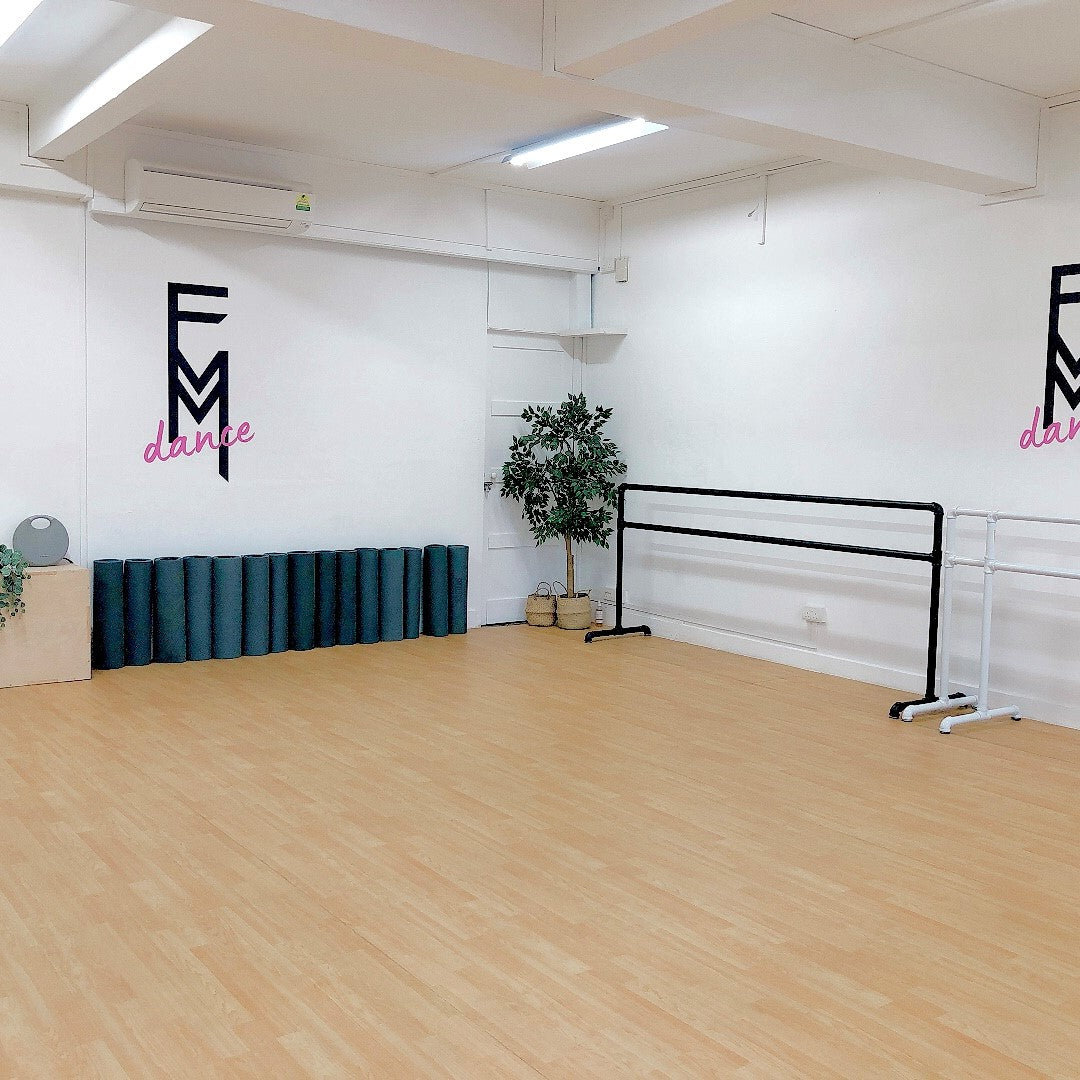 24/7 Studio Rental
-
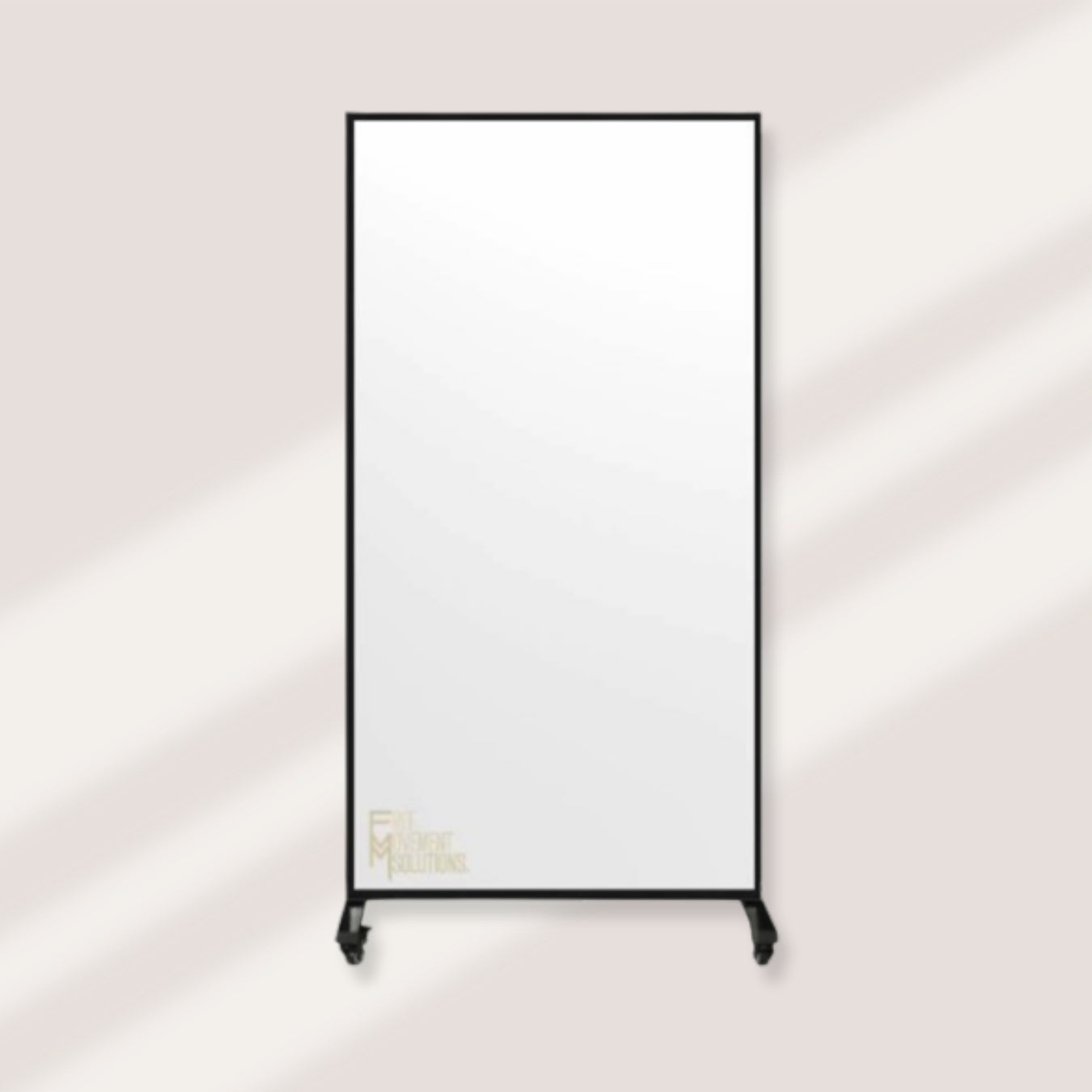 Dance Equipments
-
 Build Your Dance Studio
-
 Our Expertise
![]()
-
 Commercial Dance Studios
-
 Home Dance Studios
-
 Studio Design & Planning
-
 Build & Installation
-
 Sprung Floor Systems
-
 Polyethylene Film
-
 Marley Dance Flooring
-
 Dance Mirrors Installation
-
 Ballet Barre Installation
-
 Lighting Installation
-
 Sound System Installation
-
 Aircon Installation
-
 Full Renovation Works
-
 Rehabilitation & Wellness Barre Installations
-
 Welding of Dance Mats
-
 Dance Floor Seams & Subfloor Preparation
![]()
-
-
 Terms & Conditions
![]()
-


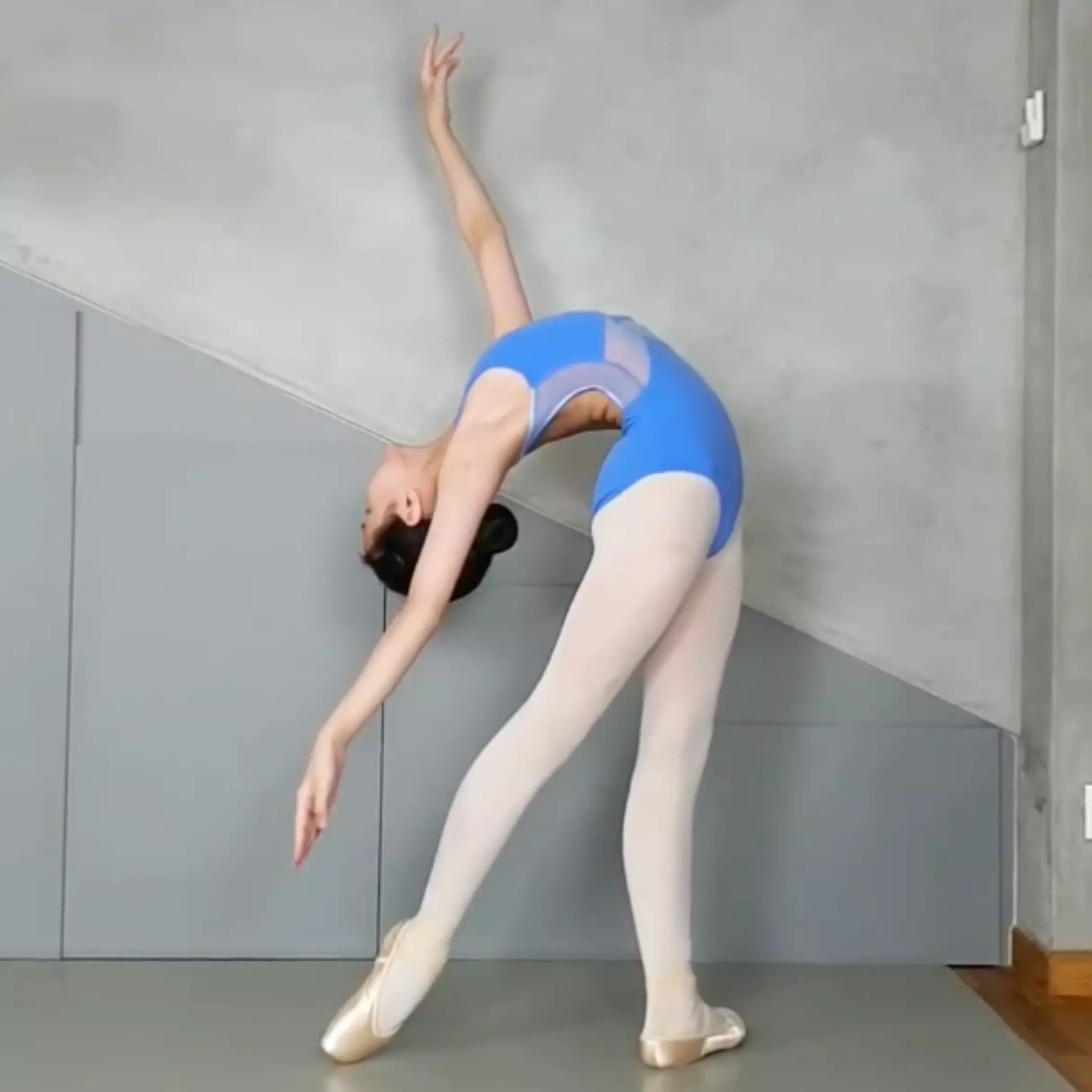













Acoustic and Sound Planning
FREE MOVEMENT DANCE SOLUTIONS
Studio That Feels Clear, Comfortable, and Inspiring
Creating a great studio experience goes beyond layout and design. Clear music, comfortable communication, and a balanced atmosphere all contribute to how a space feels every day. We help shape environments that support training, teaching, and movement while creating a welcoming experience for everyone who uses the studio.

🎵 Clearer Music
🗣️ Easier Communication
✨ Better Focus
💙 More Enjoyable Training
💙 Great Studios Are Designed For More Than What You See
Every studio has its own atmosphere. The way music fills the room, how easily instructors connect with students, and how comfortable the space feels all play a role in the overall experience. By considering how sound interacts with the environment, it's possible to create a studio that feels more focused, enjoyable, and supportive of everyday training.
✨ What We Help Plan
Creating Better Experiences Through Thoughtful Sound Design
Music Clarity
Music should feel consistent and enjoyable throughout the room, helping dancers stay connected to rhythm, timing, and performance without distraction.
Voice Projection
Effective communication helps classes run smoothly. We consider how instructors and students interact within the space to support comfortable and natural communication.
Acoustic Comfort
A balanced environment can make training more enjoyable and help create a space where people want to spend time, learn, and grow.
Acoustic Wall Treatments
Acoustic solutions can be selected to complement both the function and appearance of the studio. The goal is to support a comfortable listening environment while maintaining a clean and professional design.
Multi-Room Planning
Larger facilities often involve multiple spaces serving different purposes. We help ensure each area supports its intended use while contributing to a cohesive studio experience.
Reception Areas
First impressions matter. Reception and waiting areas should feel welcoming, comfortable, and aligned with the overall atmosphere of the studio.
Every Studio Is Unique. The Goal Remains The Same.
🔊 Speaker Placement
Strategic speaker placement helps create more balanced sound coverage, allowing music to feel consistent throughout the training area.
🪞 Mirror Reflections
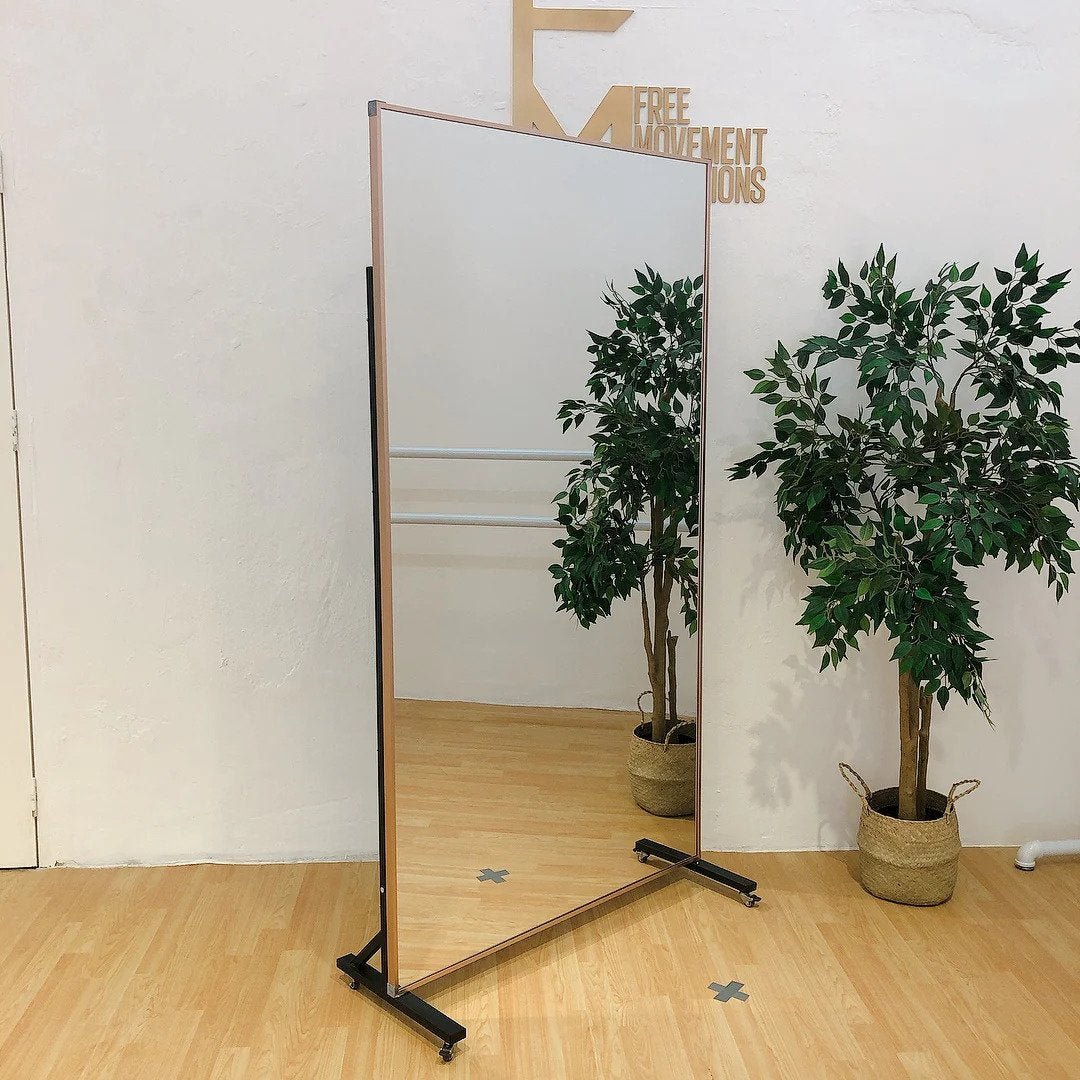
Large mirror walls can influence how sound moves within a space. Understanding these interactions helps create a more comfortable listening experience.
📐 Room Shape & Layout
Every room has unique characteristics. Reviewing dimensions and layout helps identify opportunities to improve the overall acoustic experience.
🎵 Practical Acoustic Improvements
Simple adjustments can often make a meaningful difference, contributing to a more enjoyable and comfortable training environment.
🏢 Multiple Rooms
Larger facilities often include multiple studios serving different classes and age groups. We help review how each space functions individually while contributing to a consistent experience throughout the facility.
🎤 Instructor Communication
Clear communication supports a positive learning environment. We consider how instructors interact with students throughout the space to help create comfortable and effective teaching environments.
🎶 Music Consistency
Music plays an important role in movement and performance. We review how music is experienced throughout larger training spaces to help create a more consistent and enjoyable environment.
🎧 Shared Spaces
Reception areas, waiting zones, and common spaces contribute significantly to the overall impression of a studio. Creating comfortable environments throughout the facility helps deliver a professional and welcoming experience from arrival to departure.
How We Approach Acoustic Planning
01 — Understand
Learn how the space is used, how people move through it, and what type of experience the studio aims to provide.
02 — Evaluate
Review room dimensions, surfaces, and existing conditions to understand how sound behaves within the environment.
03 — Recommend
Identify practical solutions and improvements that align with the studio's goals, budget, and overall design direction.
04 — Refine
Bring together the various elements to help create a balanced, comfortable, and enjoyable studio experience.
The Studio Experience Is Shaped By More Than What People See
From the way music is experienced to how comfortable classes feel throughout the day, these details contribute to the overall character of a studio. Taking them into consideration early helps create an environment that feels polished, welcoming, and enjoyable for everyone who walks through the door.
💙 Let's Create A Studio Experience That Feels Better Every Day
Whether you're planning a new studio or refining an existing space, we'll help you create an environment that supports movement, learning, and a positive experience for everyone who uses it.
Start My Acoustic Planning →
- Choosing a selection results in a full page refresh.